Sponsorships are the single biggest lever at a golf outing. Get them right and your entry fees, raffle, and on-course games stop being the thing that covers costs and start being pure profit toward your goal.
When sponsors underwrite the course, the carts, and the food, every dollar a golfer spends after that goes straight toward your goal. That is the difference between an outing that nets a few hundred dollars and one that nets five figures.
This is the sponsorship deep-dive of our complete guide to how to run a charity golf tournament. If you are building the whole event from scratch, start there. If you are here to fund and profit from the day, you are in the right place.
Why Sponsorships Are Your Biggest Lever

Most of a tournament's cost is fixed: the course, the carts, and the food. Sell enough sponsorship to cover that fixed base and everything else becomes profit. There is no other line item in your budget with that kind of leverage.
Sponsorships are the biggest single lever, but they are one piece of a bigger plan. For every other way an outing brings in money, see our full menu of golf tournament fundraising ideas.
The reason this works is that sponsorship is not charity. It is a marketing buy, and the value you are selling is real. Golfers spend four to six hours on the course, which is more brand exposure than a billboard delivers in a week, and they walk past your sponsor's sign every time they tee off. Corporate outings sell that exposure to clients and vendors, and member-guests sell hole signs to member-owned businesses.
The audience matters too. A golf field skews affluent and professional, exactly the customers most local businesses want in front of, plus the goodwill of backing a local event. Frame your pitch as a marketing buy, not a donation, and you will close more and bigger sponsors.
How Many Tiers, and How to Price Them
Build three to five tiers, no more. Fewer than three feels thin and gives businesses no room to choose; more than five gets confusing and slows down the yes. A tight menu makes the ask easy.
A few pricing rules of thumb keep the ladder clean. Your title sponsor should run two to three times the next tier down, because naming rights are worth a premium and you only sell that spot once.
Space the middle tiers evenly so the jump between them feels logical, for example $1,000 / $2,500 / $5,000. Then make the hole sponsor your accessible entry point, priced low enough that any local small business can say yes without a meeting.
Treat these numbers as a starting frame, not gospel. Price to your market, your cause, and your audience: a metro charity with corporate donors can charge multiples of a small-town fire-department scramble.
Sponsorship Levels at a Glance
Here is a full menu you can lift and adapt. Mix the headline tiers (Title through Hole) with the functional sponsorships (Cart, Beverage, Contest, In-Kind) so businesses of every size and type find an option that fits. A contest sponsor gets their name on one of your on-course contests.
| Tier | Typical Price | What They Get |
|---|---|---|
| Title / Presenting | $5,000+ | Naming rights, logo everywhere, a foursome or two, podium and recap recognition |
| Gold | $2,500 | Premium signage, a foursome, logo on materials |
| Silver | $1,000 | Signage, two players, logo on the event page |
| Hole | $100–250 | Tee sign at one hole, event-page listing |
| Cart | $750–1,500 | Logo on every cart sign |
| Beverage / Meal | $500–1,500 | Branding at the drink cart, lunch, or dinner |
| Contest | $250–750 | Signage at a closest-to-the-pin or longest-drive hole |
| In-Kind | Donated goods / services | Recognition matched to the value of what they give |
Adapt the names and numbers to your market: rename tiers after your cause if you like, and scale every price up or down to what your audience will bear.
Hole Sponsorships: The Easy Entry Point

The hole sponsorship is the most accessible tier you offer, and it is the workhorse of most charity outings. A local insurance agent, dentist, or hardware store can write a small check, see their name on the course, and feel great about it.
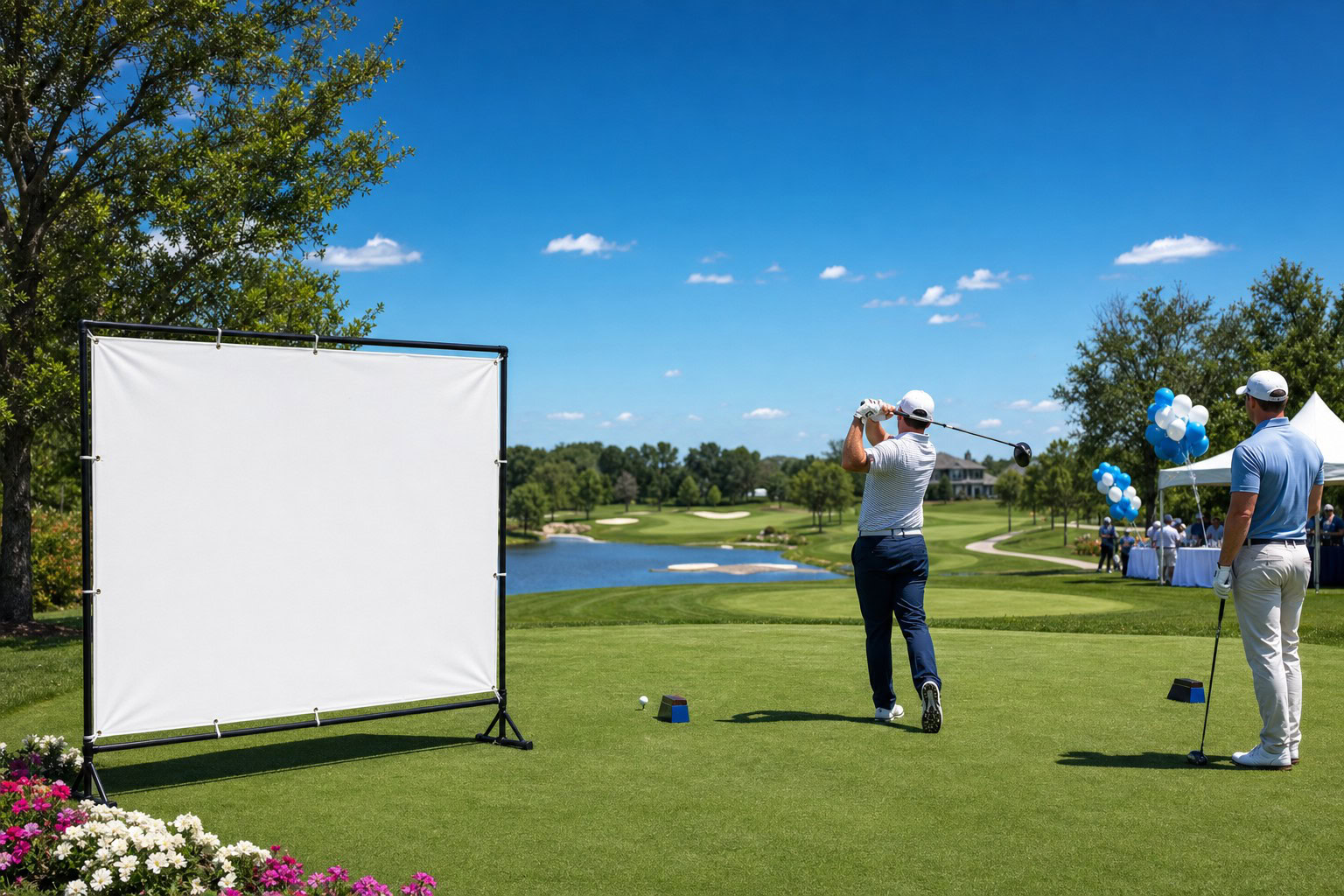
What they get is simple and tangible: a professional tee sign, roughly 18x24 inches, planted at one hole for the whole day, plus a listing on your event page. Make the sign sharp, because a crisp sign is what makes the sponsor want to come back.
Now the math, which is better than people expect. Eighteen holes at $200 each is $3,600, and you do not have to stop at one sign per hole: sell both tee boxes, or place multiple signs at a single hole.
Because it is cheap and easy to say yes to, the hole tier is also how you fill out the field of sponsors. A page full of local logos signals a well-supported event, which in turn makes your bigger sponsors feel good about their spot.
Cart, Beverage, Contest, and In-Kind Sponsors

Beyond the headline tiers, a handful of functional sponsorships let you sell the same event twice. Each one attaches a logo to something every golfer touches during the day.
- Cart sponsor: their logo rides on a sign in every cart, seen all day by every player on the course. It is one of the highest-impression spots you can sell.
- Beverage and meal sponsor: branding at the drink cart, the lunch spread, or the awards dinner. People remember who bought the food.
- Contest sponsor: signage at a closest-to-the-pin or longest-drive hole, where players gather and pay attention.
- In-kind sponsor: donated prizes, auction lots, printing, and even scoring technology or event photography. Anything you would otherwise pay for, someone may give. Our guide to golf tournament prizes and awards shows some things to look for.
Do not treat in-kind as the consolation prize. A donated prize converts straight into proceeds, because it is revenue you raise (in a raffle or auction) without a matching cost. Treat in-kind sponsors as seriously as the ones who pay cash.
How to Find the Right Sponsors

The best sponsor list is sitting in your own network. Start with businesses tied to your event: a charity draws brands that share its mission, and a company outing draws its clients and suppliers.
Next, work your committee's and your board's personal and professional contacts. Every member knows a dozen business owners, and a warm introduction beats a cold call every time. Make a shared list and divide it up.
Then look at the vendors you already pay (your bank, your printer, your caterer) and at local firms that want community visibility. When you reach out, find the actual decision-maker, not the general inbox, because info@ is where sponsorship asks go to die.
When to Ask: The Sponsorship Timeline

Sponsorship is a months-long process, and the committees that start early get the big checks. Here is the cadence that works.
Sponsor outreach is one track on a much bigger calendar. To see where it fits in the whole countdown, follow our golf tournament planning checklist and timeline.
- 6–9 months out: brainstorm your target list and start reaching out, especially to title and presenting to prospects who need lead time to budget.
- 4–6 months out: send your sponsorship packages and follow up. This is the heart of the selling season.
- 3 months out: confirm the verbal yeses and pin down what each sponsor is committing to.
- 2 months out: sign a simple agreement, collect payment, and lock in the logos you need for signage.
How to Make the Ask

Personalize every approach. A pitch addressed to a named owner, referencing their business and why it fits, lands far better than a template blasted to fifty inboxes. People can smell a mass email.
Lead with the cause and why it matters, then get specific about what they receive. Say exactly what they get: "your logo on the sign at hole 7," not "great exposure." Specifics make the value feel real.
Hand them everything they need to decide in one place: pricing, a one-page overview, and a dead-simple way to pay. Every extra step between yes and payment is a chance to lose the deal.
And whenever you can, ask in person or on the phone. A real conversation beats an email blast, so practice the pitch until it is short, warm, and confident before you pick up the phone.
The Sponsorship Letter or One-Pager
Your one-pager does the selling when you are not in the room, so it has to be tight. Keep it to a single page and include these pieces in this order:
- Who you are and the cause you are raising money for, in a sentence or two.
- Why it matters: one striking stat or a short, human story.
- The specific ask and benefit: what you want them to do and what they get for it.
- The tier menu and pricing, laid out clearly so they can pick a level.
- The deadline to be included on signage and printed materials.
- An easy way to say yes and pay: a link, a QR code, or a name and number.
- A genuine thank-you that makes them feel like a partner, not a target.
If it runs past one page, cut. A busy owner will skim a one-pager and toss a brochure.
Deliver So Sponsors Renew

Signing the sponsor is half the job; delivering on the promise is what gets next year's check. Fulfill every benefit you sold, down to the spelling on the sign and the size of the logo on the banner.
On the day, thank them from the podium by name and let the room know who made the event possible. Public recognition is part of what they paid for, and it costs you nothing.
After the event, send a recap with photos, the total raised, and proof of their placement: a shot of their sign at the hole, their logo on the cart, their name on the page. That proof is the receipt that justifies the spend internally.
Then ask for the renewal while the goodwill is fresh. The cheapest sponsor to land is last year's sponsor, so lock them in before the glow fades and you will start each cycle with a base already in place.
Frequently Asked Questions
How much should I charge for a hole sponsor?
Most charity outings price hole sponsorships between $100 and $250, which keeps them accessible to local small businesses. Set the number to your market. A metro event with corporate donors can charge more, while a small-town scramble may land closer to $100. Remember you can also sell both tee boxes or multiple signs at one hole to raise the total per hole.
How many sponsorship tiers should I have?
Three to five tiers is the sweet spot. Fewer than three feels thin and gives businesses no room to choose, while more than five gets confusing and slows the decision. A tight menu, from an accessible hole sign up to a title sponsor, lets companies of every size find a doable option without overwhelming them.
How early should I ask sponsors?
Start brainstorming and reaching out 6 to 9 months before the event, especially for title and presenting sponsors who need lead time to budget. Send your sponsorship packages 4 to 6 months out, confirm commitments around 3 months out, and sign a simple agreement about 2 months out so you have logos in hand for signage. Teams that start early consistently land the biggest checks.
What do golf tournament sponsors actually get?
It depends on the tier, but the core value is exposure to an affluent, professional audience for four to six hours on the course. A title sponsor typically gets naming rights, logos everywhere, and a foursome or two, while a hole sponsor gets a tee sign and an event-page listing. Functional sponsors get branding on carts, the drink cart, the meal, or a contest hole.
How do I find sponsors for a charity golf tournament?
Start with businesses tied to your cause, the personal and professional networks of your committee and board, and the vendors you already pay. Local firms that want community visibility are strong prospects too. When you reach out, find the actual decision-maker rather than emailing a general inbox, because a warm, named ask closes far better than a cold one.
Final Thoughts
Sponsorships are where a charity golf tournament is won or lost. Cover your fixed costs with the right tiers, sell them as the marketing buy they really are, and every other dollar of the day flows to your cause. Start early, personalize the ask, and deliver so well that this year's sponsors become next year's base.
Sponsorship is one piece of a great event. For everything else (the course, the format, the contests, the volunteers, and the day-of checklist) head back to our full guide on how to run a charity golf tournament and build the rest of the day around the funding you just locked in.